
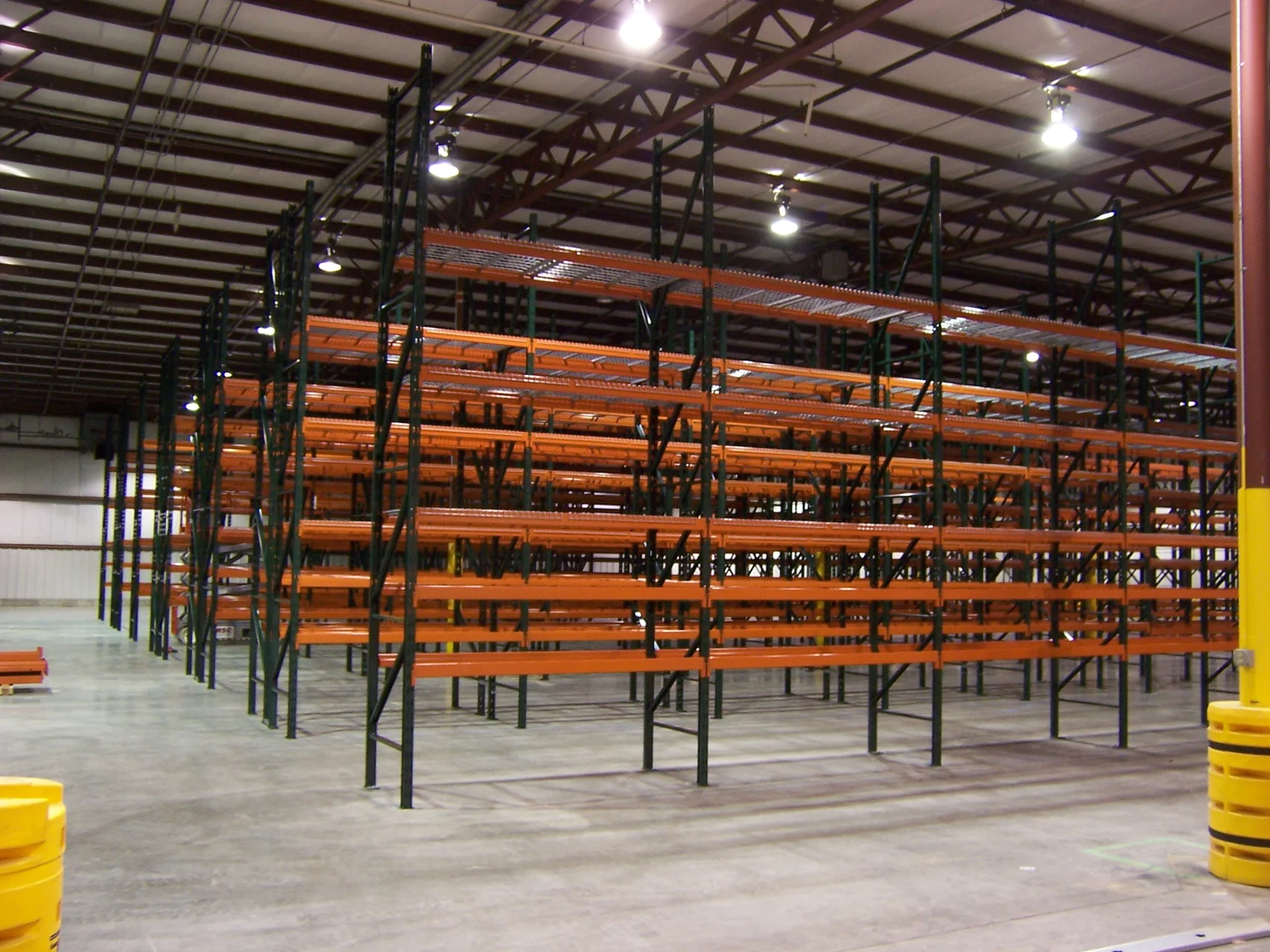
Industrial Pallet Racking
A floor plan and a product catalog are where most storage vendors start. PHI starts with what you’re storing and how quickly it moves. That’s what separates functional industrial pallet racking from a system that looks right on paper. Whether you’re outfitting a new facility or making better use of the one you have, we design storage systems around your product and how your operation runs.
Is Industrial Pallet Racking the Right Fit?
If shelving, mezzanines, or another storage configuration is a better fit for your operation, visit PHI’s Structures & Workspaces page.
How We Determine the Right System
Before we ever visit a facility, we start with the product: what you’re storing and how quickly it moves in and out. Those answers shape almost everything that follows.
Once we’re on-site, we measure the floor and check clearance height. That tells us what we’re designing around. Budget shapes the next decision: whether a static system like selective pallet racking or a dynamic one fits better. Dynamic configurations typically cost more upfront. We also check the environment right away. A cold-storage or freezer facility needs a different system than an ambient warehouse, and that shapes material choice from the start.
What Facilities Usually Get Wrong
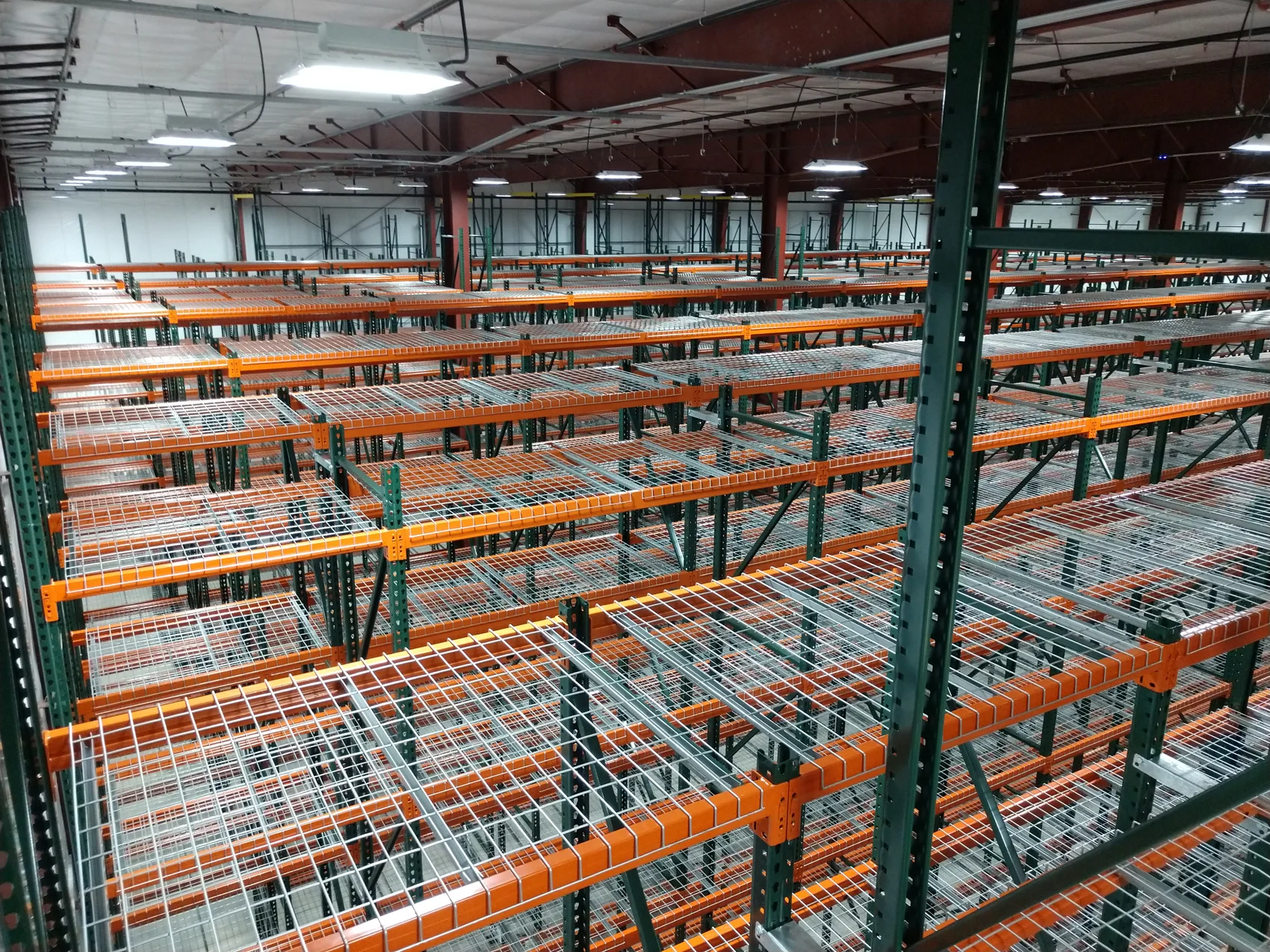
A few assumptions come up more than others. Many facilities assume static shelving, the kind you’d find in a big box store, is the only option. There are far more configurations available once we understand what you need. Some assume the least expensive rack is the best value. It rarely is. Lower cost usually means lower-grade material, and that shows up later in load capacity and lifespan.
In older facilities, we often find racking that’s been damaged for years but never addressed, simply because it’s still standing and nobody’s looked closely. A rack that’s stood for years can still be unsafe. If a component is damaged, it needs to be repaired or replaced, regardless of how long it’s been that way.
Getting More Out of the Space You Have
When a facility tells us they’re out of space, we check a few things before assuming they need more square footage.
Vertical Space
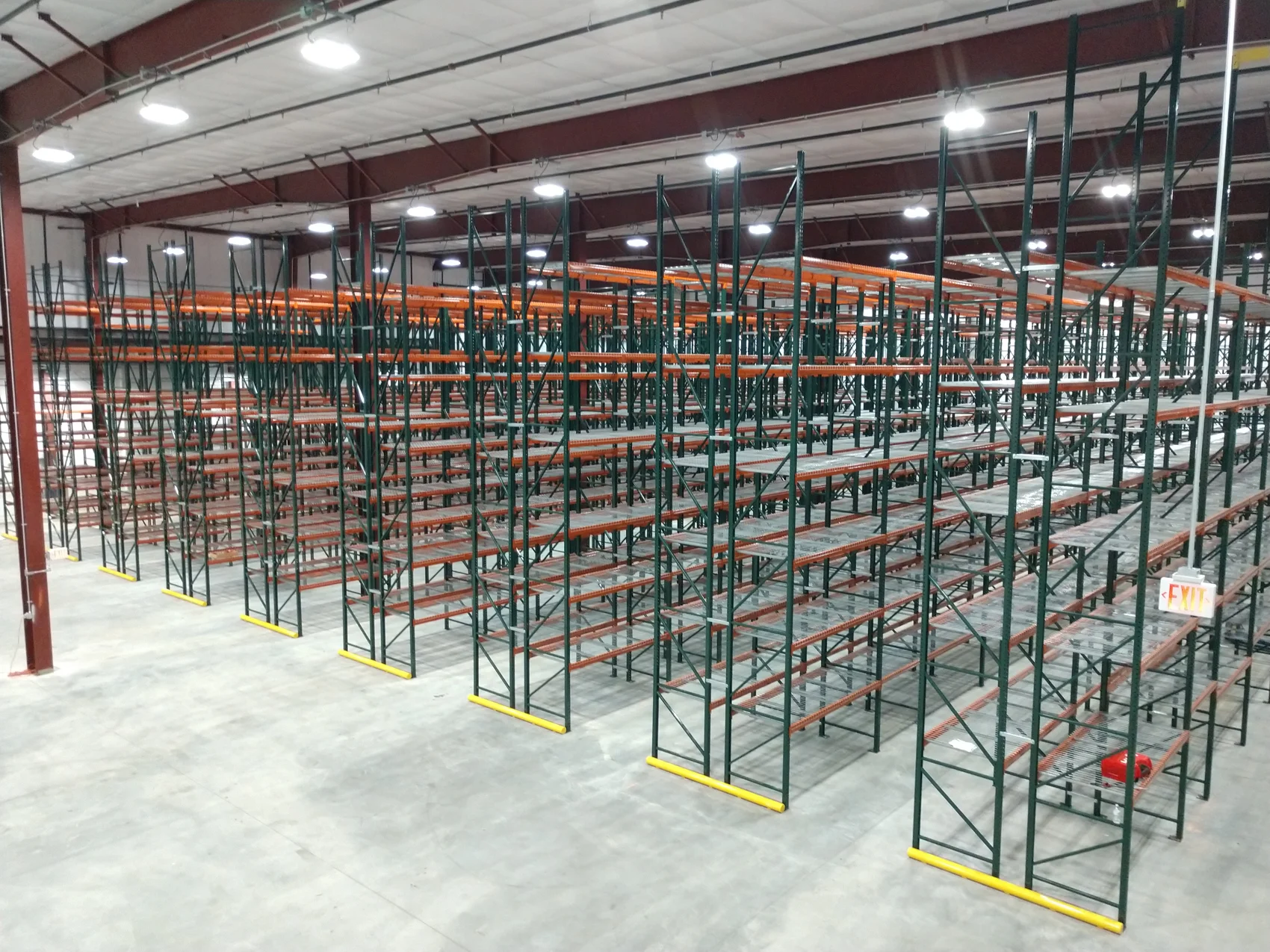
It’s common to see facilities running 12-foot storage frames when the building could support racking up to 20 feet. That unused vertical space can be the difference between adding a system and moving into a bigger building.
Rack Configuration
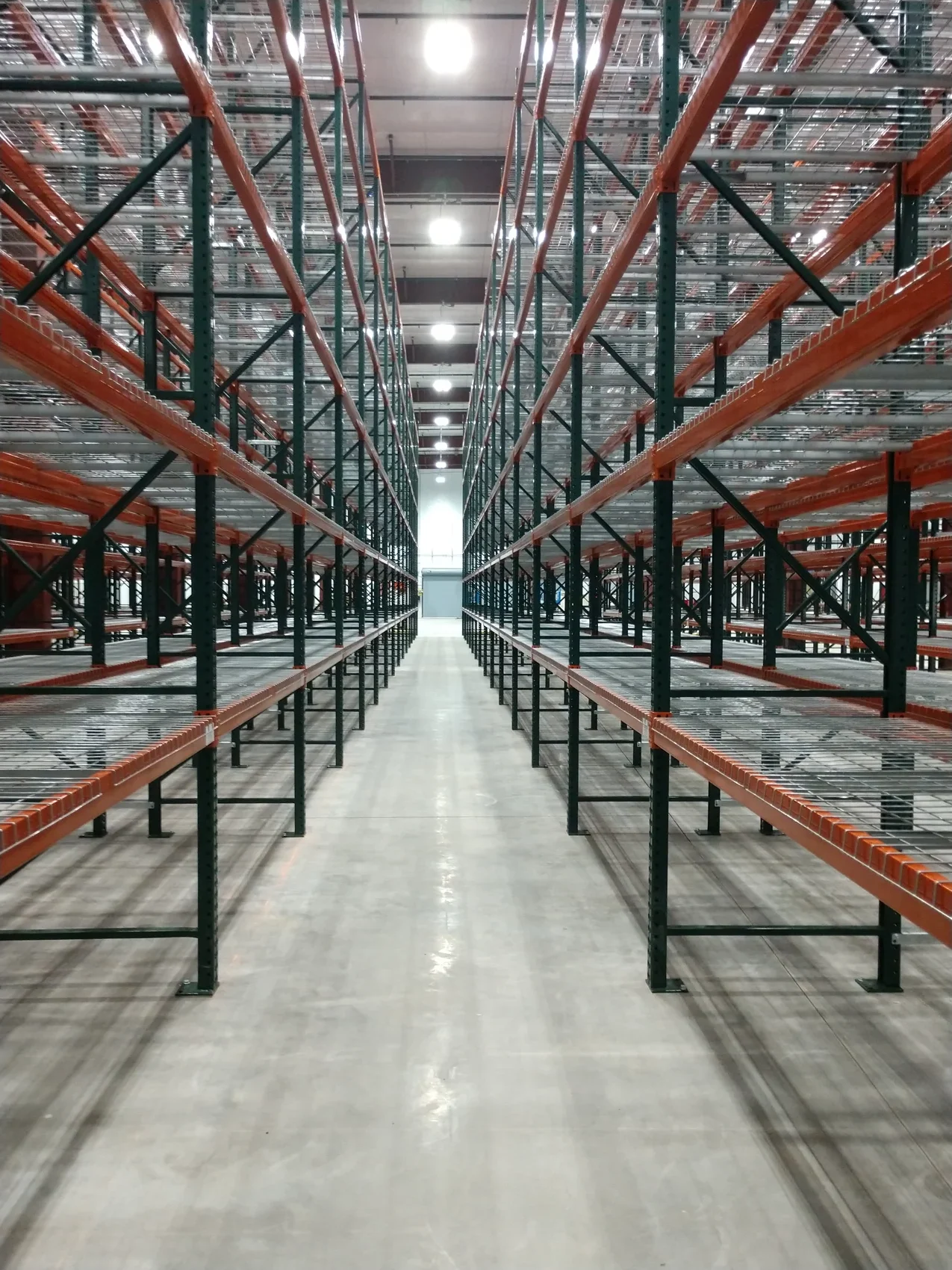
A layout that seems fixed often isn’t. Adjusting beam spacing, or combining carton flow storage with pallet storage above it, can free up real capacity without adding a single new bay.
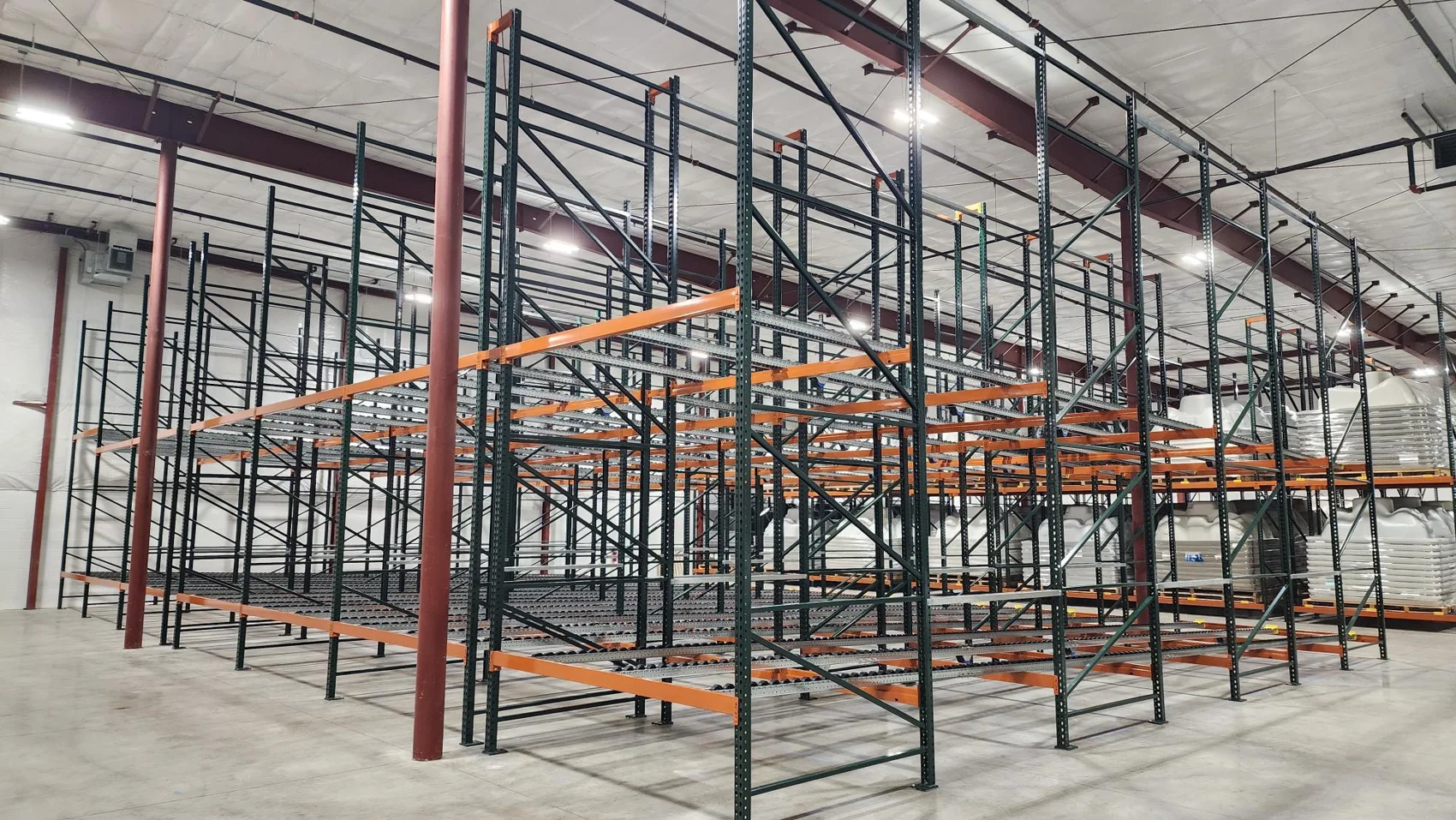
Static vs. Dynamic Storage
Two or three rows of standard racking with a wide center aisle can sometimes become drive-in storage instead. Those lanes go back much farther and hold several pallets deep across multiple levels, all within the same square footage.
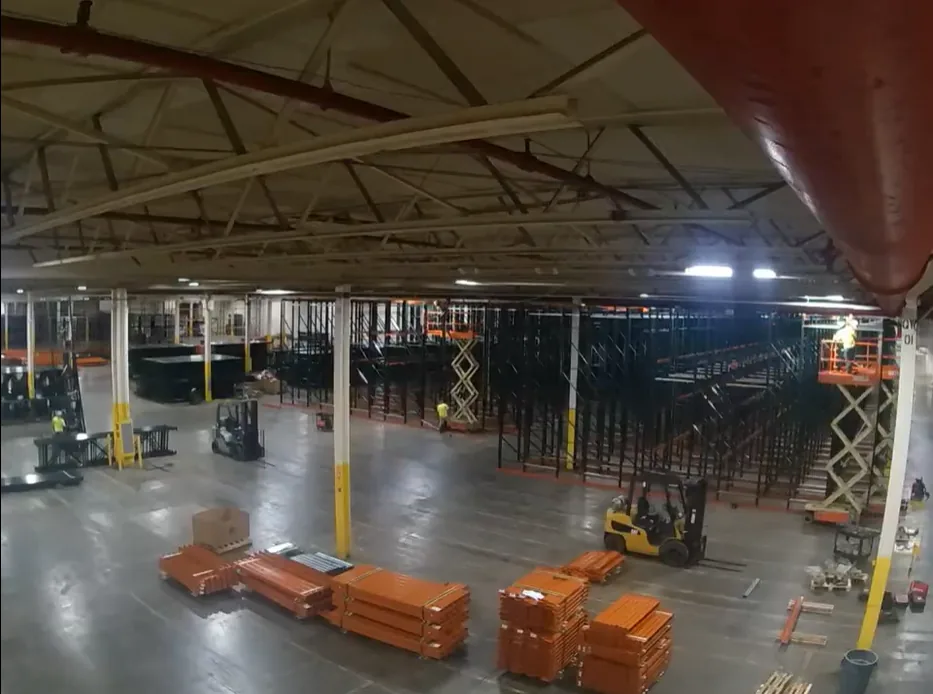
Existing Damage
When racking is bent or compromised, forklift operators need more clearance to maneuver around it. That shrinks usable space even though nothing on the floor plan has changed.
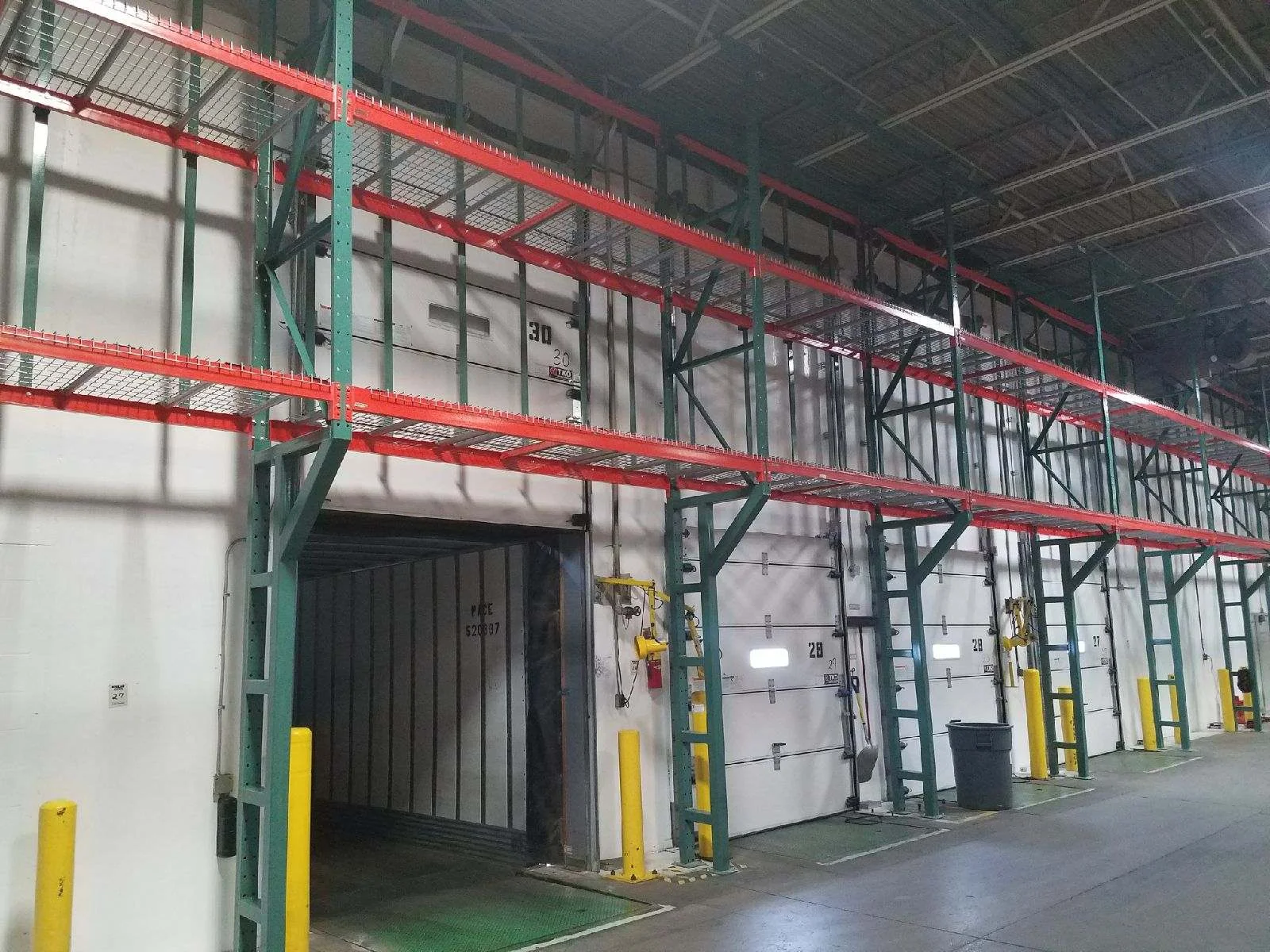
Running through all of it is the same starting point as everywhere else: what you’re storing and how quickly it moves.
Start the ConversationBuilt for the Long Term
The difference between pallet racking that lasts and racking that needs replacing in five years usually comes down to what it was designed to carry. We size every system to the load it will carry over time, engineered to hold up for decades rather than months. Underrated racking becomes a liability the moment conditions change. For operations with heavy, high-turnover loads, that often means heavy duty pallet racking built for that kind of use from the start.
For facilities that expect to reconfigure over time, such as third-party logistics operations with rotating tenants, we build in the capacity to be rearranged later. Pallet racking installation matters just as much as design. Rack that isn’t installed square and level creates problems that can surface months down the line.
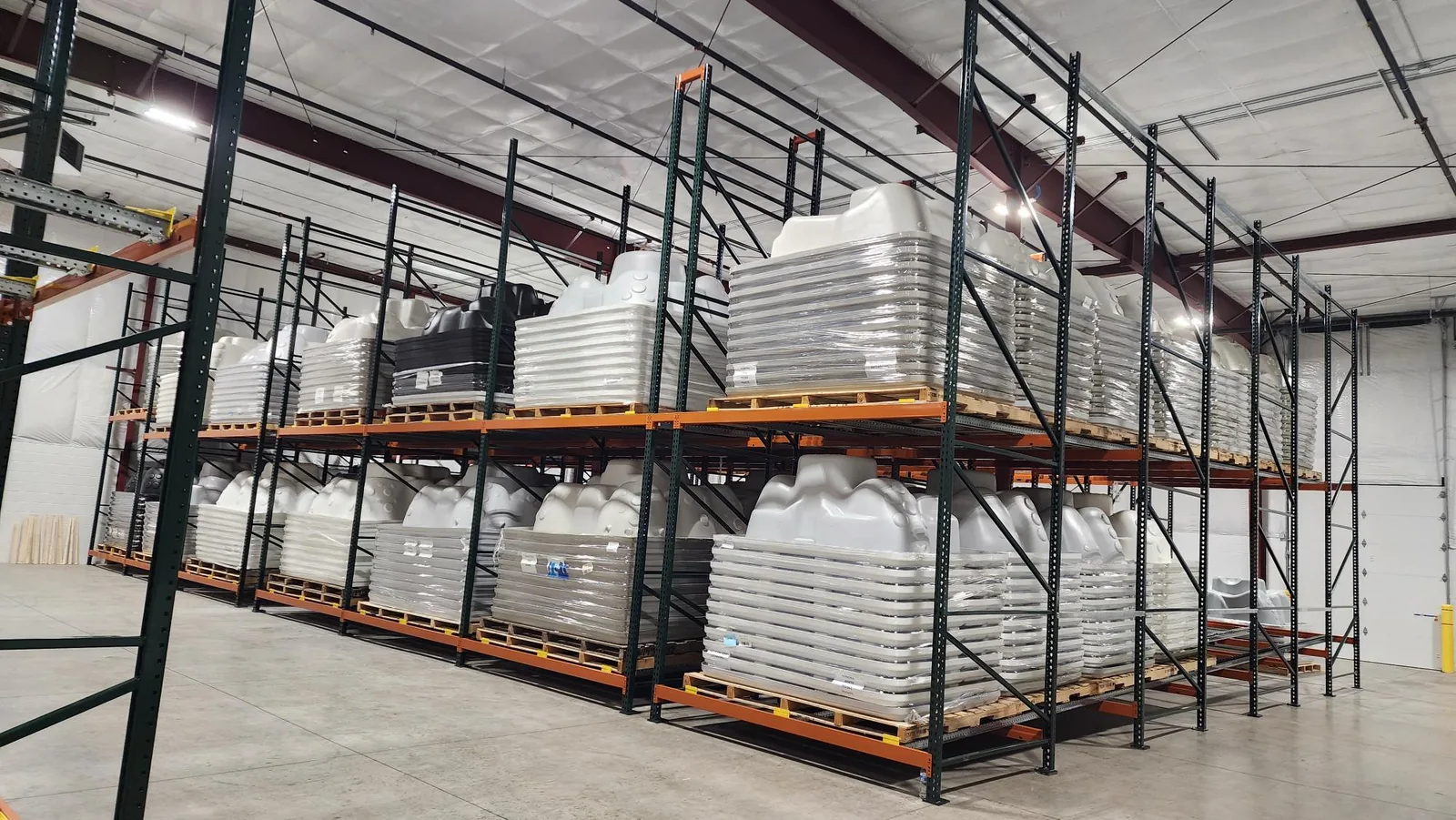
Ready to Talk Through Your Storage?
Every industrial pallet racking project starts with a conversation about how your operation works. Tell us what you’re storing and what’s not working, and we’ll help you figure out what does.