Industrial Conveyor Systems
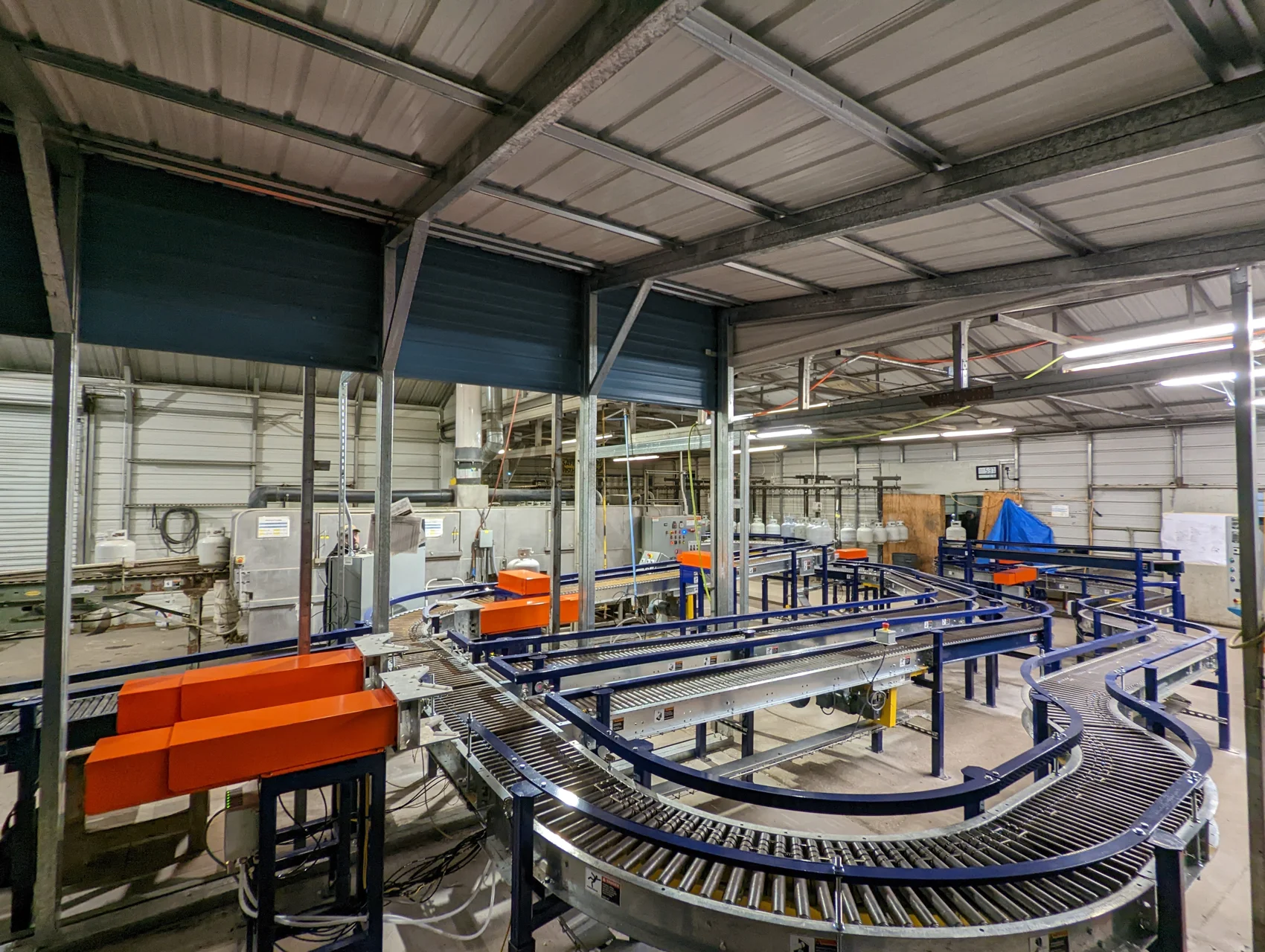
A conveyor that isn’t performing right doesn’t always mean the equipment is bad. Often, the real issue is a system that was never designed around the product moving through it. Progressive Handling Inc. (PHI) designs and installs industrial conveyor systems built around what you’re conveying and how it needs to move. That starts with the product.
How We Diagnose a Problem
When a system isn’t performing the way it should, we start with two questions: what is it doing, and what is it supposed to be doing? The gap between those answers tells us what kind of fix is needed. That might mean an in-house repair, a controls specialist, or new parts. The product itself drives most of the decision, particularly what’s being conveyed and how fast the line needs to run.
Repair or Replace?
Age and condition come first. A conveyor that’s worn but structurally sound is a different conversation than one with damaged rollers and holes throughout the frame. We also check whether it’s still holding its throughput rate. A system that’s aged but still performing calls for a different recommendation than one that’s falling behind.
The deciding factor, though, is what you’re trying to accomplish. If the goal is to keep running the way you have for years, an older system can often be repaired rather than replaced. If the goal is more speed or higher output, an aging system usually can’t get there. It makes more sense then to start fresh, with equipment and controls built for where you’re headed.
The Range of Systems We Build
Industrial Conveyor Systems
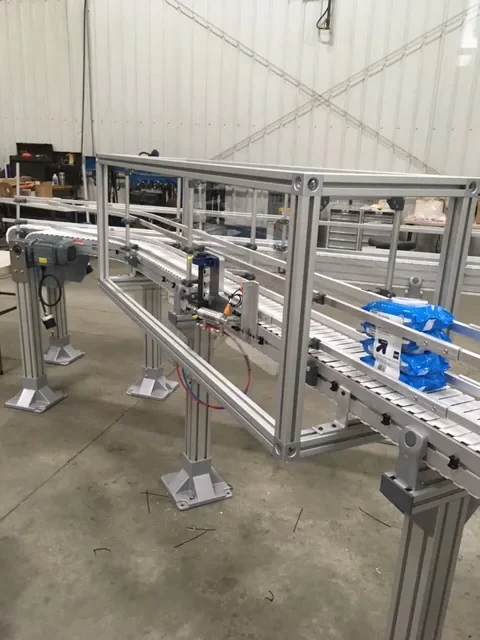
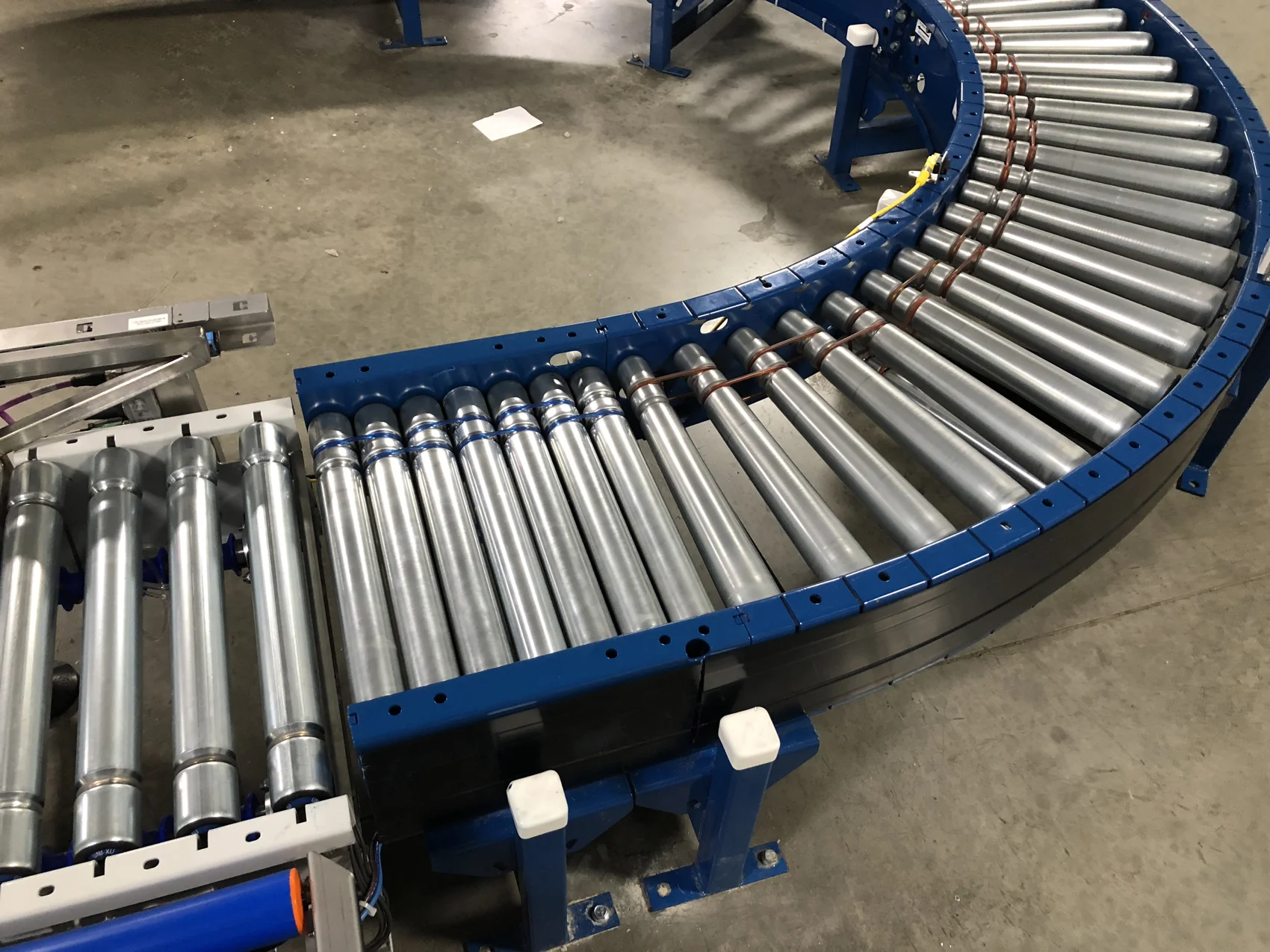
We design and install a range of conveyor types, each suited to different products and speed:
- Roller conveyor
- Belt conveyor
- Chain conveyor
- Vertical conveyor
- Overhead conveyor systems, often used for paint lines
We also build in the specialized functions that go with them:
- Indexing
- Transportation
- Sorting
- Weighing
- Packaging
- Accumulation conveyor systems, including zero-contact accumulation for products that can’t collide on the line
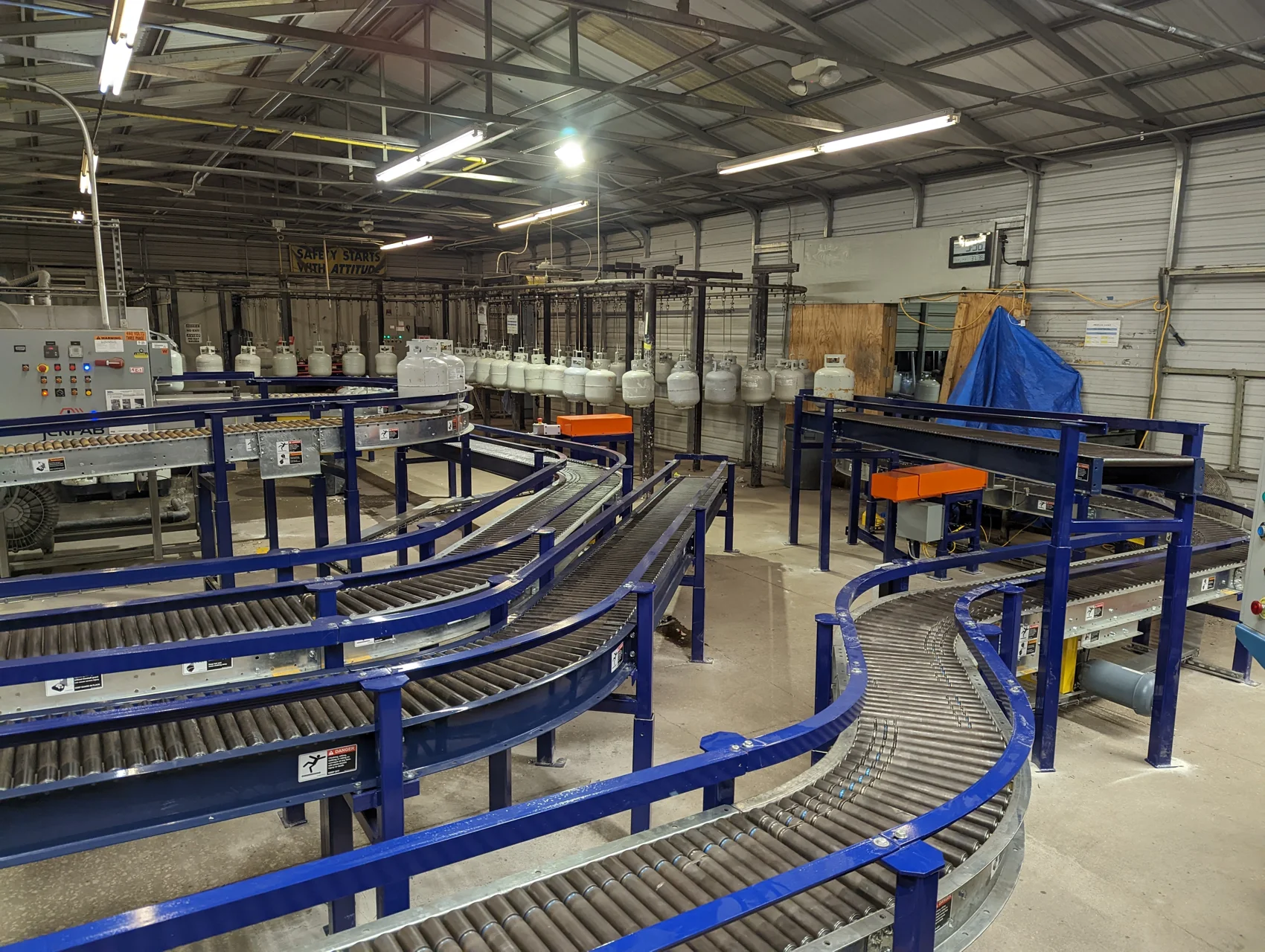
Conveyor system installation gets planned around how the line needs to run day to day, down to details a layout drawing won’t show.
There are projects that we don’t do. Large-scale automated distribution centers are outside what we take on. We also generally avoid high-risk automotive automation, where steep downtime penalties don’t fit how we operate. When a project falls into either category, we’ll tell you directly and point you toward a company that’s a better fit for your needs.
Where Assumptions Cause Problems
A design that looks simple on paper can fail once the real-world condition of the product gets factored in. Consider cartons of eggs moving up an inclined belt. That seems simple, until a broken egg leaves yolk on the belt. An incline that was fine dry becomes a slip hazard once it’s not. Designing around the clean version of a product, instead of its messy reality, is one of the more common ways a conveyor underperforms after installation.
Sequencing matters as much as equipment selection. At a 90-degree transfer point, for example, timing a lift too early can cause packages to jam against it rather than clear it. That creates a backup that looks like an equipment failure but is really a timing issue. We’ve corrected this problem in systems built by other providers. It’s a detail worth getting right the first time.
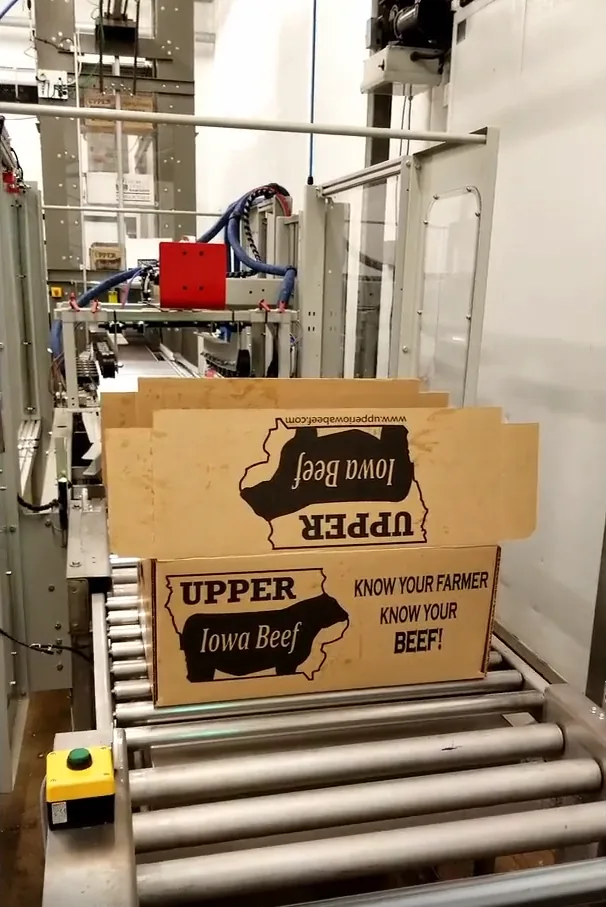
See how that kind of engineering care plays out on a full system in PHI’s work with Upper Iowa Beef, where an integrated conveyor and storage system helped scale processing from 250 to 1,600 head of cattle per week.
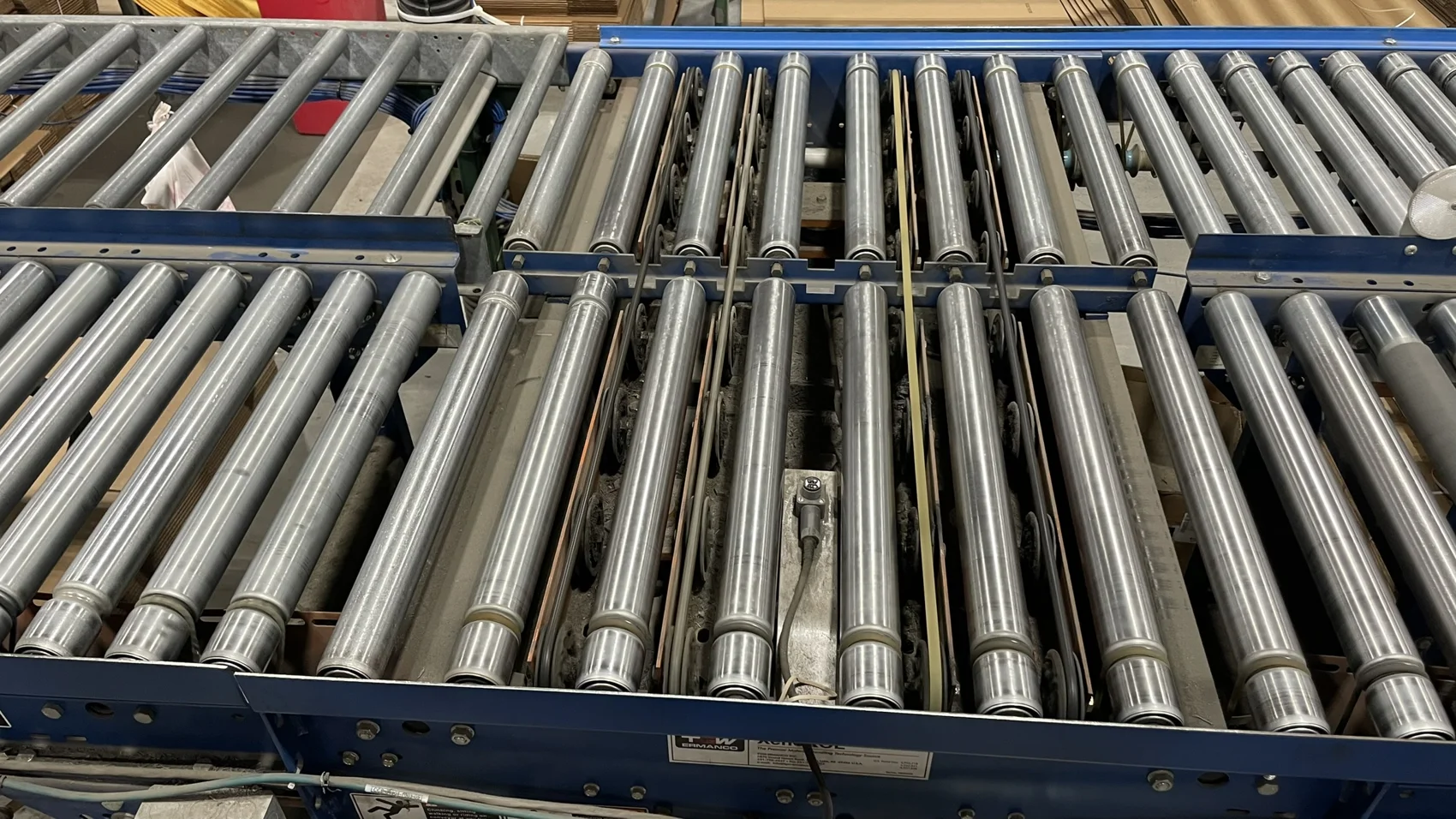
More equipment means more that can fail. A design that uses every available piece of technology can look efficient without being the right fit for the job. We favor the simplest configuration that reliably does the job. That’s usually the one that keeps running with the least maintenance.
Environment matters too. A line that needs regular washdown has to be built washdown-rated from the start, or water works its way into equipment that was never designed to take it on. The same logic applies to clean-room environments. Certain sealants and lubricants can trigger sensors and shut a line down for reasons that have nothing to do with the conveyor itself.
Proven Depth, Broad Range
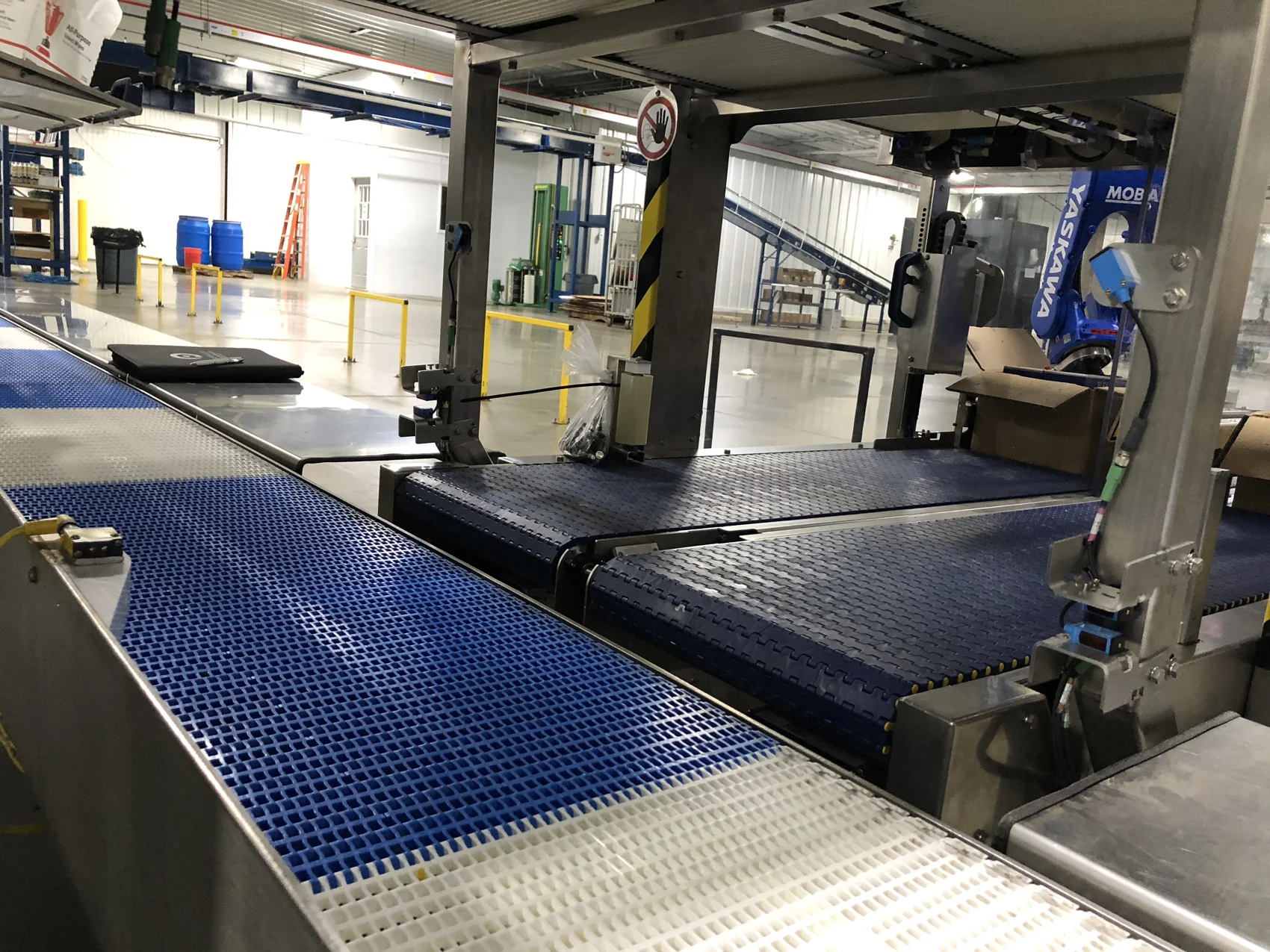
If a product moves in a case or on a pallet, we can generally design a system around it. Food processing, particularly egg handling, is an area where we’ve built up specific, tested experience: handling cartons, trays, and bulk products with equipment designed around how fragile or unusually shaped items move. Our conveyor work spans a wide range of products and industries too, from paint lines to packaging operations.
Ready to Talk Through Your Conveyor Needs?
Every conveyor project starts with a conversation about what you’re moving and why the current system isn’t working. Tell us what’s going on. We’ll help you figure out what to do about it.