
Material Flow Analysis and Engineering Studies
A material flow analysis follows product through a facility from receiving to shipping and records how long each step takes and how far everything travels. The result shows where an operation loses time, and where people and product cover more ground than they need to.
We build that picture through on-site engineering studies, and the report that follows tells you what to change and in what order.
You might commission a study because you don’t have the staff or the engineering expertise to study your own operation. Or you may have run the same process for years and want an outside view of it. Either reason leads to the same first question: what should the study improve?
What a Study Can Set Out to Fix
The answer becomes the study’s defined goal, usually backed by several secondary objectives. Common ones include:
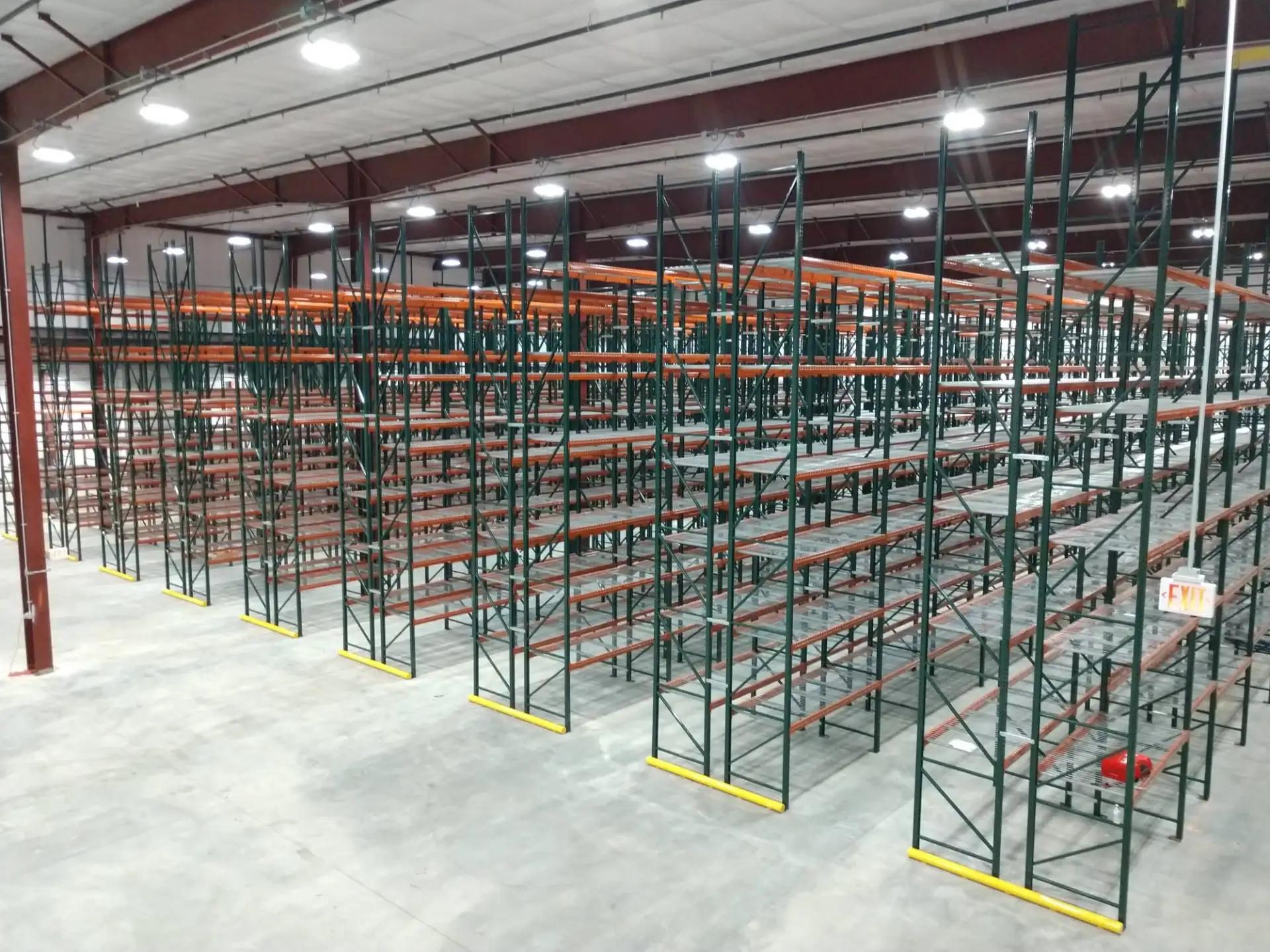
- Get the most from existing space over the next three to five years, which points toward warehouse layout optimization, including how pallets and cartons are slotted
- Reduce forklift traffic where practical
- Improve ergonomics at individual stations
- Cut labor cost
- Streamline packaging operations and workstation layouts
- Put data tracking and quality verification in place so the operation can measure its own changes
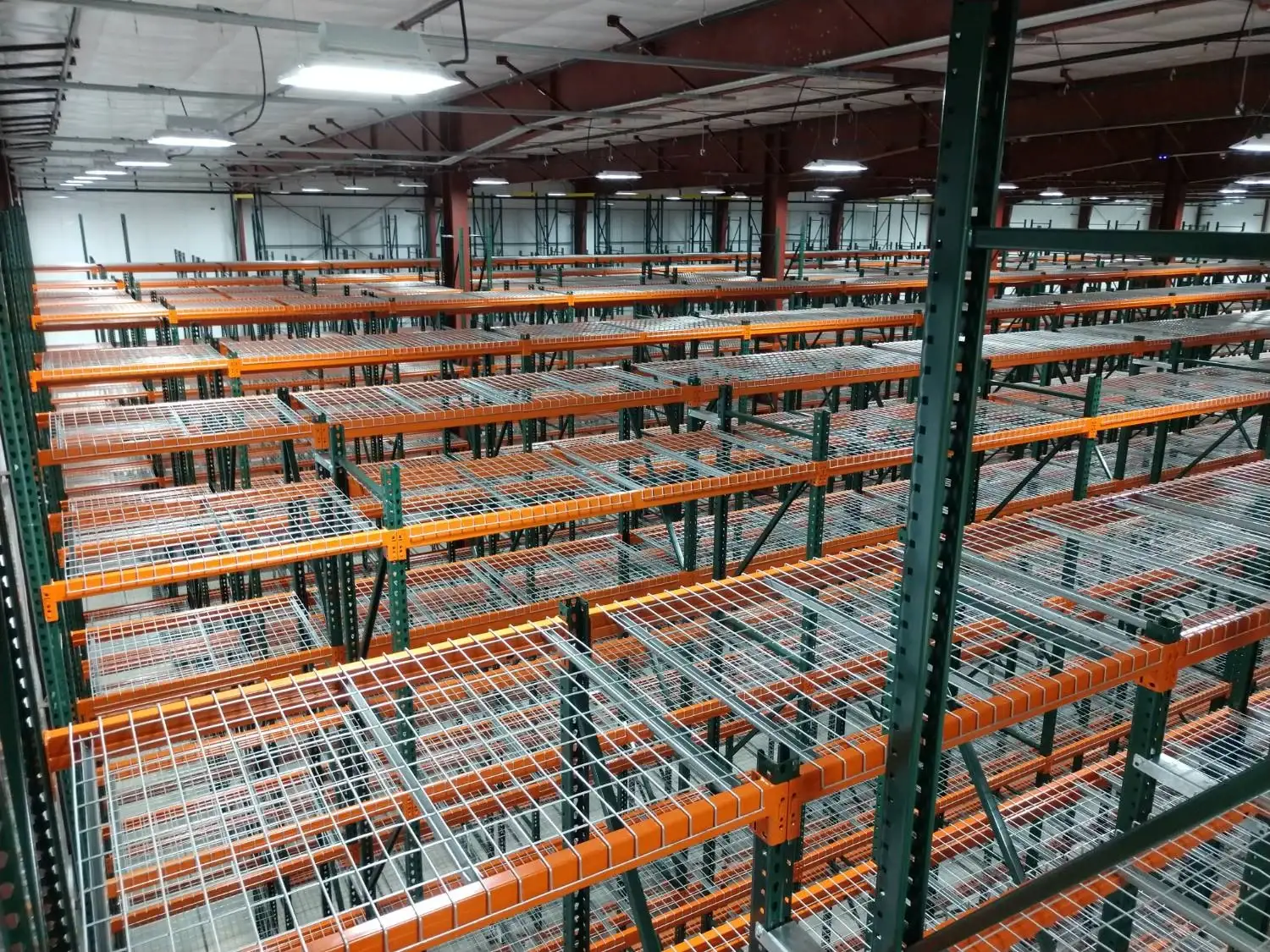
Many of these changes count as warehouse process improvement, and some need no new equipment.
How a Material Flow Analysis Works
A study begins with you walking us through how your operation runs today. From there, an engineer follows the process from start to finish, timing each step and talking with the people at each station. In one study for a manufacturer, that took two to three days on site. The engineer records:
- Product variations
- Routing and material flow
- Personnel movement
- Production rates
The study leader compiles those records into a timed sequence of the current process, the foundation of the material flow analysis. Each process then gets analyzed with time studies and workflow analysis, looking for unnecessary travel and cleaner routing of inbound material and outbound finished goods.
Improvements range from re-slotting storage to adding tooling or automation at a single station. On a production floor, the same work becomes a plant layout study: proposed positions for work areas and the carts that serve them, drawn against the current layout.
What the Report Includes
You receive a written report that includes:
- Facility and process drawings
- Photographs, each with an explanation of what it shows
- Production and operational data
- Our analysis and recommendations, each tied to the goals set at the start
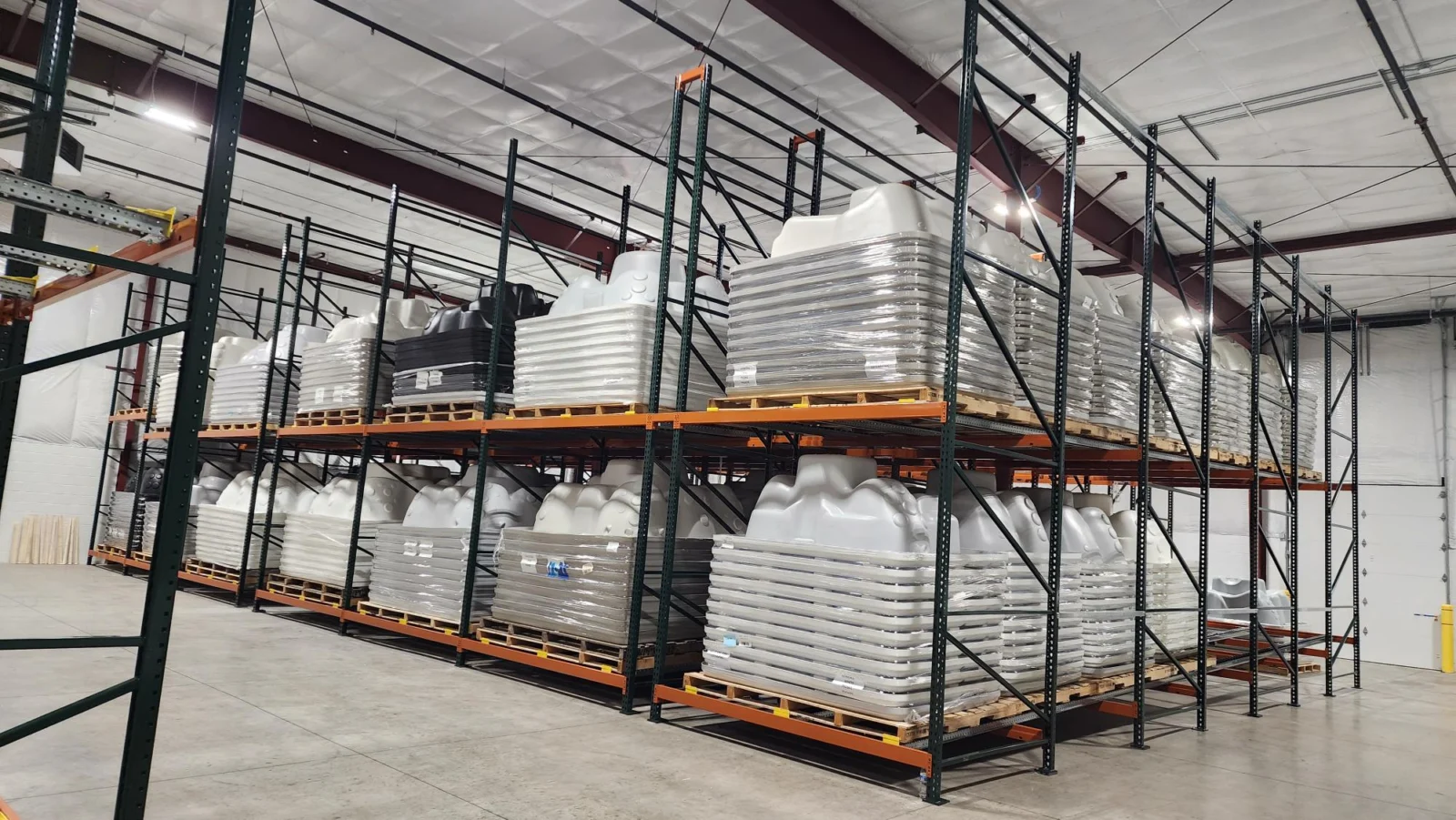
One study we completed for a manufacturer covered four warehouses. The report paired a current and a proposed drawing for each area and opened with safety findings, including a blocked emergency exit and a blocked breaker panel.
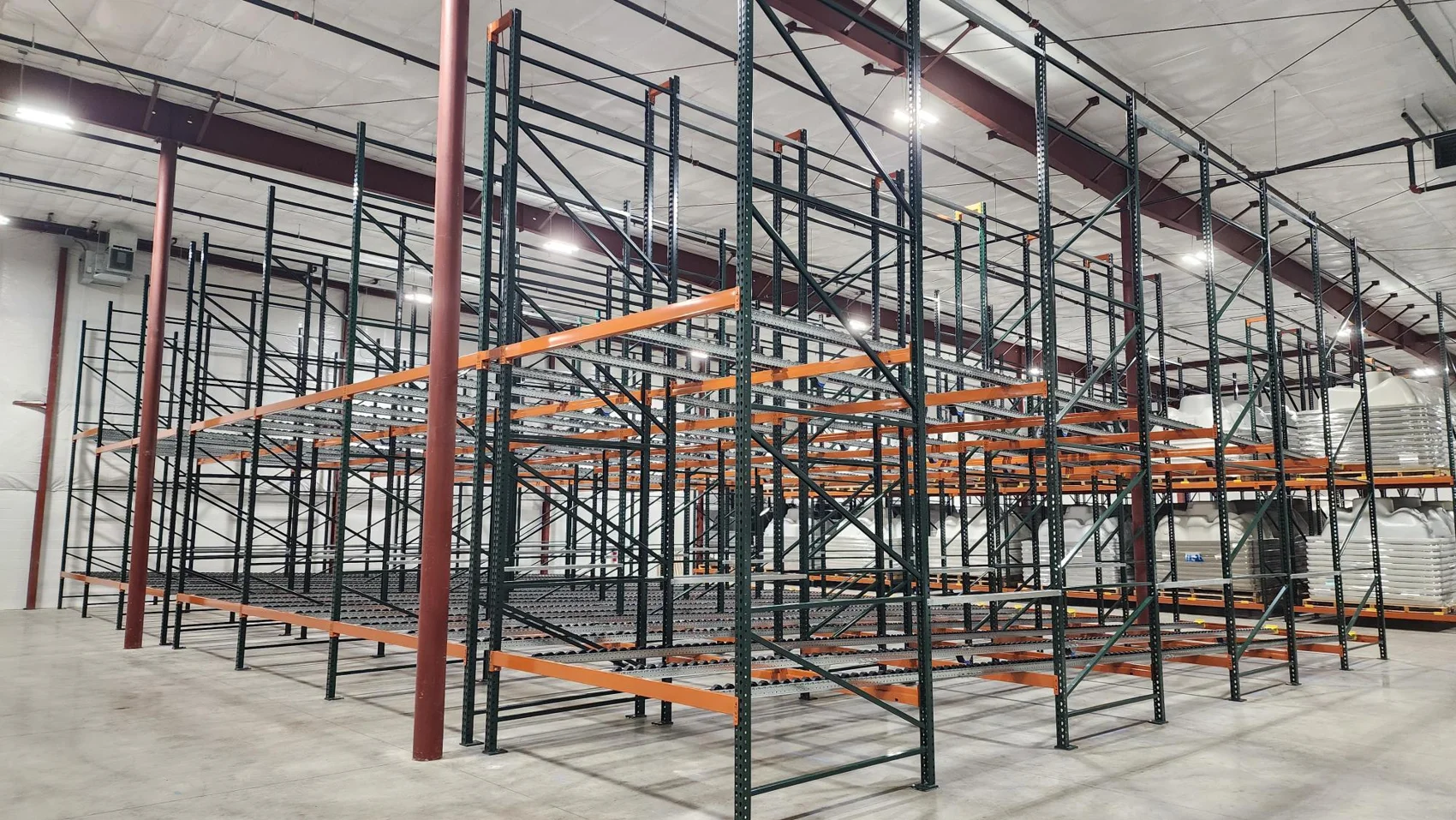
Most of the plan used racking the manufacturer already owned, and a few items needed to be purchased. The work phased in as material levels came down to standard quantities.
How We Test Return On Investment
We target a 2-year return on every project and engineer to that threshold from the start. The calculation begins with what the operation spends today and how much time the current process wastes, and those inputs vary from project to project.
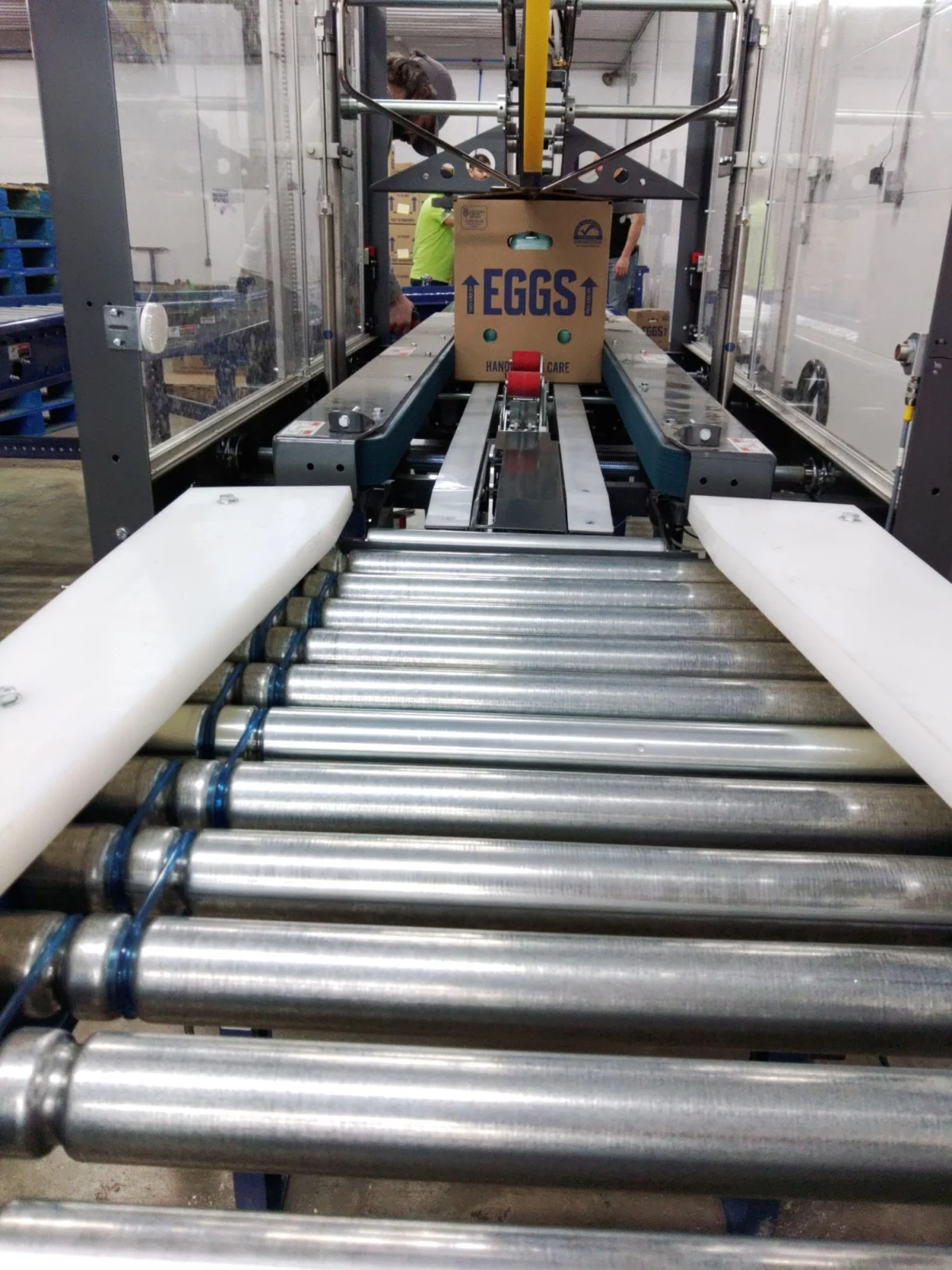
Much of the return comes from automation taking over repetitive tasks, which frees people for work that does more for the business.
When the numbers don’t support a project, we say so. We’ve told customers not to go ahead because the return wasn’t there.
Engineering Study FAQs
What is an engineering study?
An engineering study is an on-site analysis of how product and people move through a facility, built around a material flow analysis of each process. An engineer times each station and maps the routing. The report that follows includes drawings and recommendations aimed at a specific goal, such as more storage in the same footprint or lower labor cost.
Does a study always lead to a project?
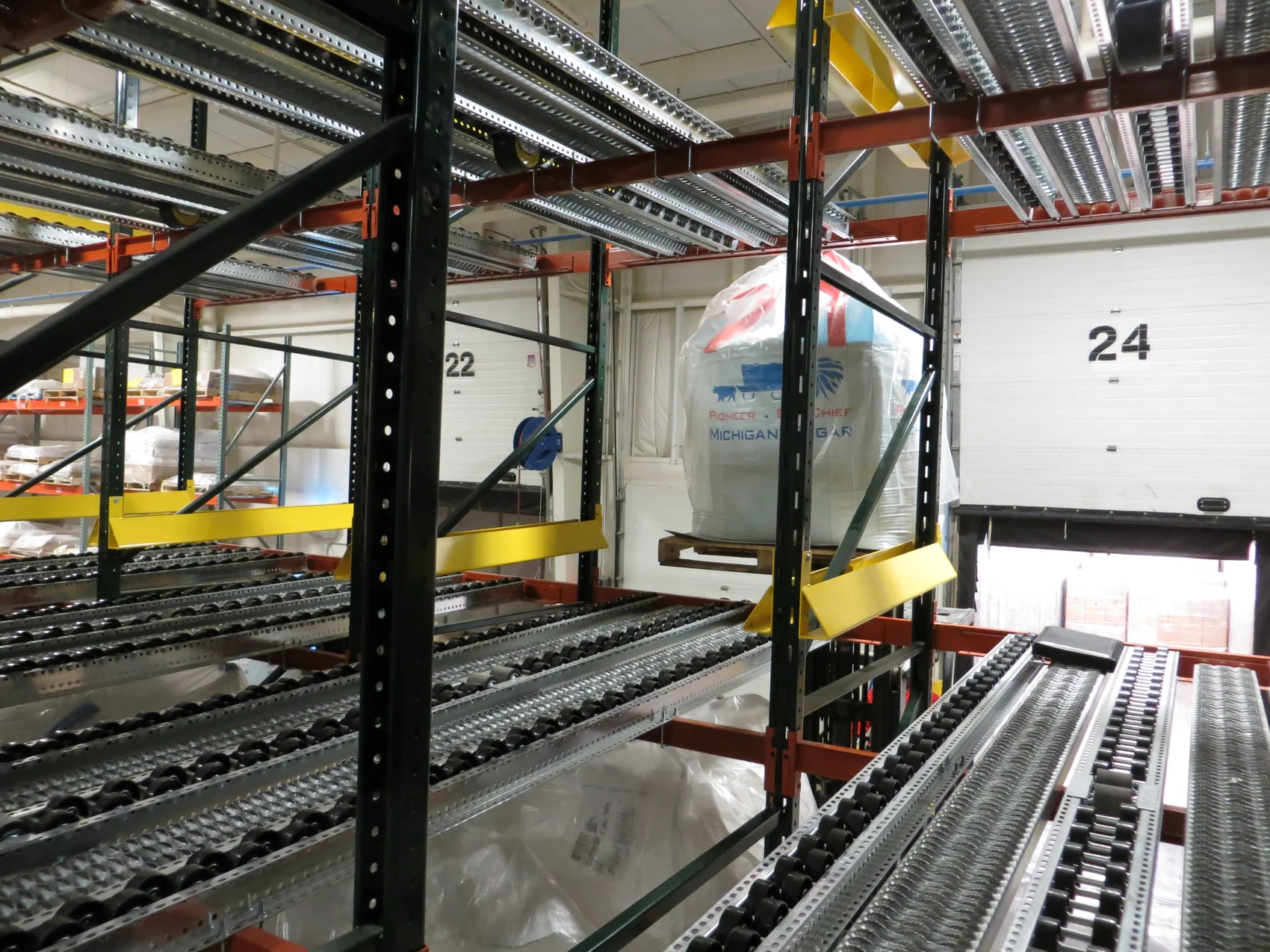
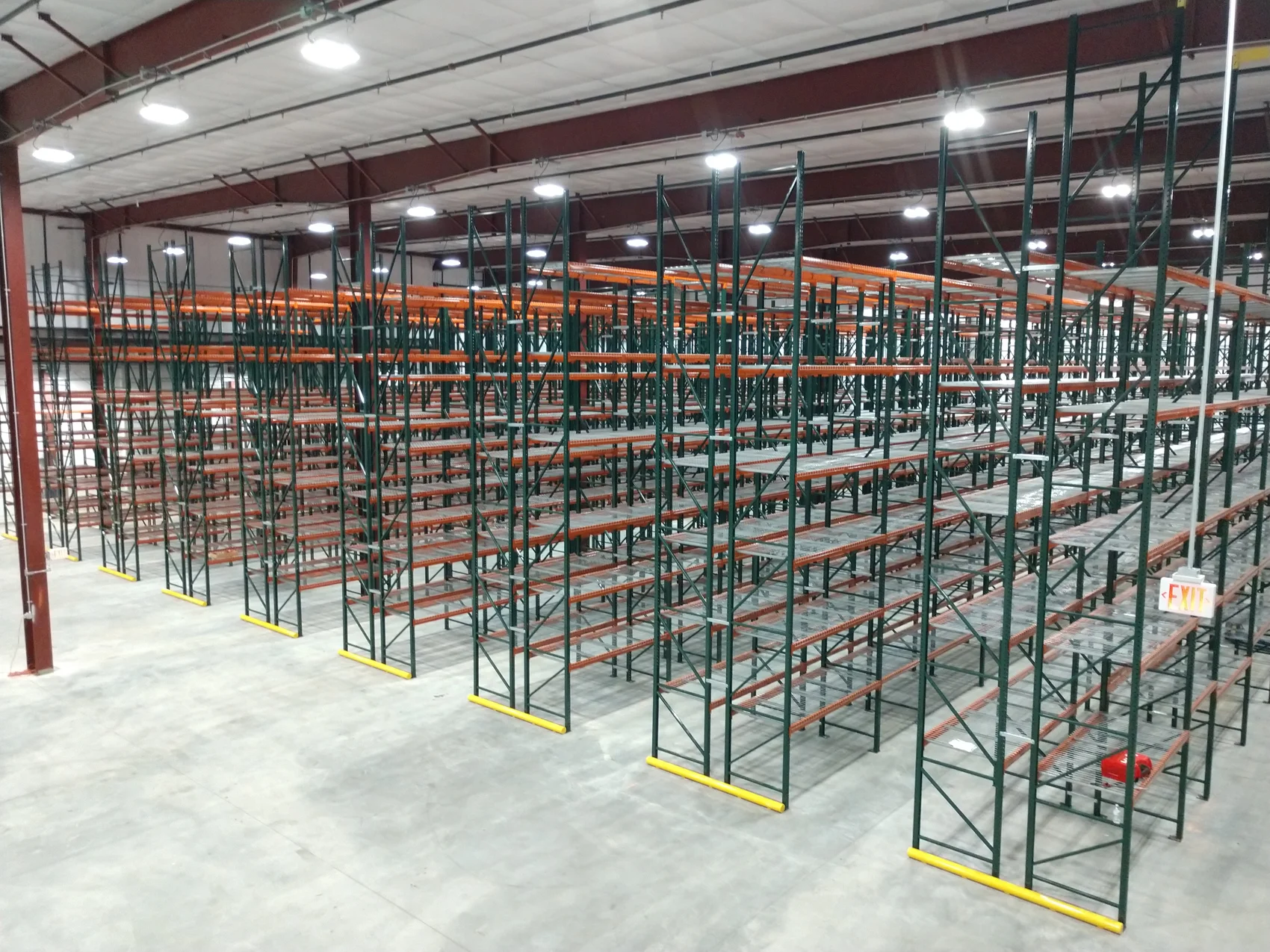
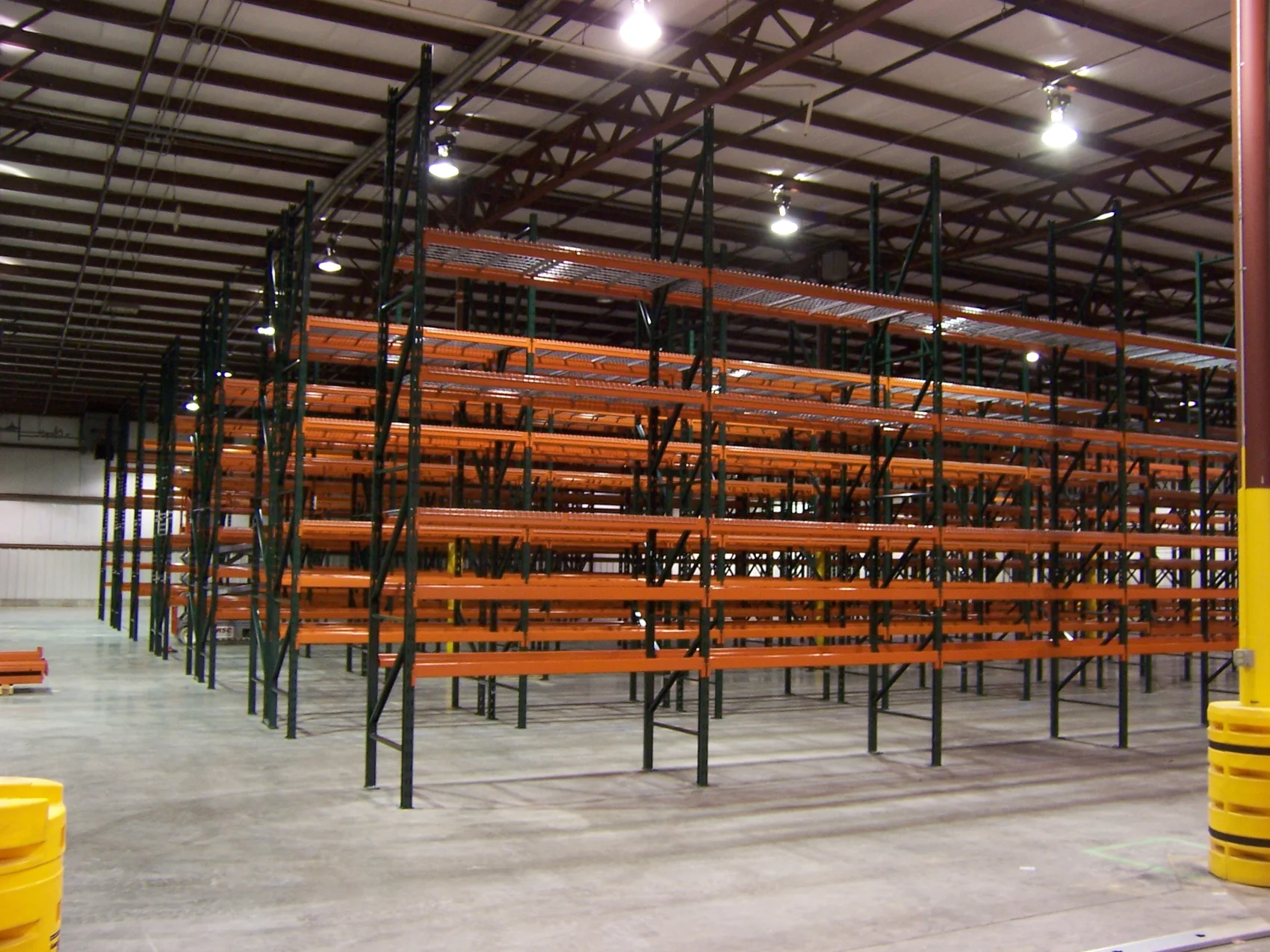
The study ends in a report and a proposal for what we would do about the findings. Whether to move forward depends on the numbers, and sometimes the right answer is to hold off. If the proposal calls for new racking or conveyors, it points to our pallet racking and conveyor systems work.
Ready to Talk Through Your Operation?
Every engineering study begins with a conversation about how your operation runs. Tell us what isn’t working, and we’ll explain what a study would cover.